
Review Mission warehouse and packing accounts one meter at a time
A Mission packing or distribution business can shift refrigeration, wash-down and conveyor loads as shipments change. Separate the meters for production, storage and offices. Share each meter’s last twelve months of usage and expected operating changes instead of assuming one supplier rate fits the property.
Check your utility and supply terms
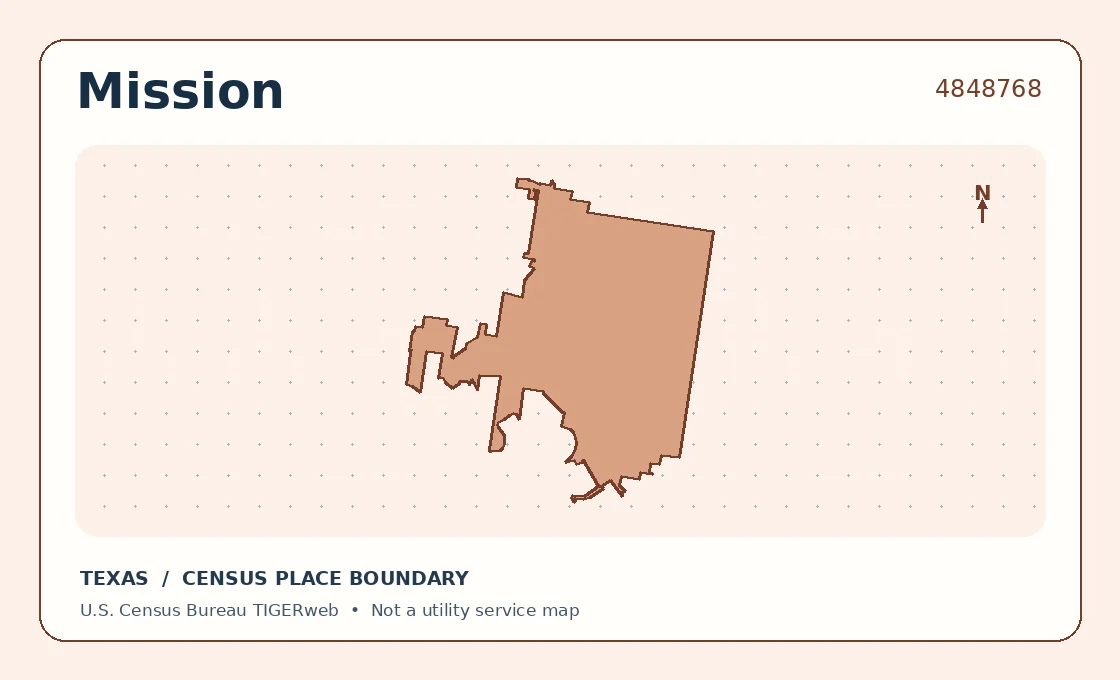
AEP Texas’s 2019 transition from Oncor covered some distribution assets near Mission and McAllen, including Sharyland Plantation. Do not assume every address in the former service area, the city or the surrounding area uses the same AEP schedule. Verify the current ESI ID, delivery utility and schedule. A Magic Valley Electric Cooperative bill is a signal to check membership and eligibility directly, not to assume competitive supply.
Build the supplier comparison by shipping cycle
Spot heavy packing months, ask how usage above or below forecast is treated, and confirm which meters can start on the proposed date. At a hypothetical 54,000 kWh, a 0.55¢/kWh energy difference is $297 before fees and delivery. Compare the same assumptions, including the actual applicable delivery charges. This is not a current rate.
Efficiency incentives are a separate review
For proposed refrigeration controls, forklift charging or lighting changes, ask the delivery utility about current qualifying programs before purchasing equipment.
Mission electricity supply FAQ
Can two AEP Texas meters be compared using one set of delivery charges?
Not automatically. Verify the service area, rate schedule and meter configuration for each ESI ID. In particular, check whether the tariff item applies to the former Oncor area before treating both meters the same.